
Multi-Buy Savings
Stock up on essential bamboo layers & socks:




Start at the beginning
Our journey began with one inspiring material that was better for the planet than the conventional alternatives. Today, 95% of our materials are better choices. Only 5% of our fibres come from virgin fossil fuels, and we’re working to eliminate them completely. Learn more about some of our better materials below and find more details in our latest impact report.
MMCFs (Man-Made Cellulosic Fibres) are made from plant materials like wood (that’s the cellulosic bit) and transformed into fibres using a chemical process (that’s the mad-made bit).
What we love about these kinds of fibres is that they aren’t made from fossil fuels and they could degrade in a landfill unlike plastic. But what’s really amazing is that the cellulose doesn’t have to be from trees (a resource we really need to protect!). It can come from all sorts of different sources, like bamboo – find out more about our bamboo-based origins – seaweed, agricultural waste and even used textiles.
The chemical processing is a potential downside to MMCFs but with the right technology, chemistry, health & safety, and waste treatment, this can be managed in a way which protects people and the planet. We do our due diligence to make sure our MMCFs come from the best performing producers in the world.
In 2024 we used 135 tonnes of MMCFs accounting for 66% of our total fibre usage. 100% of our MMCFs were from preferred producers.
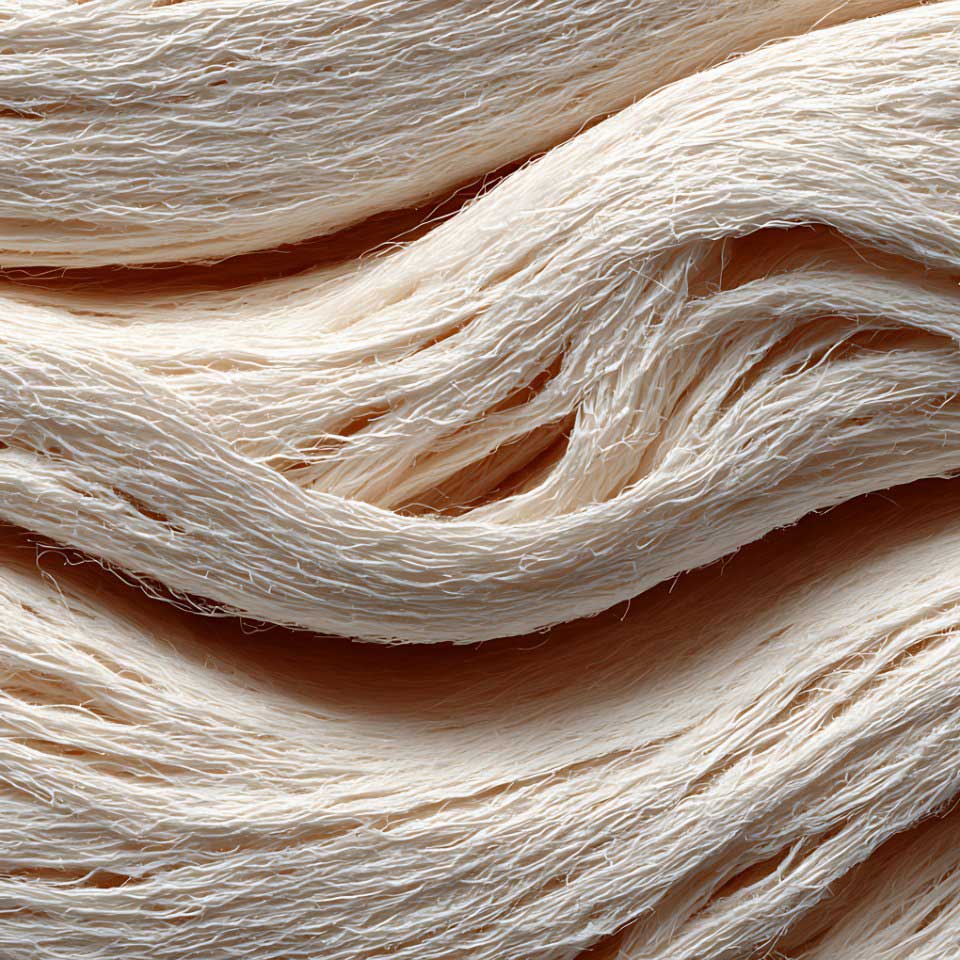
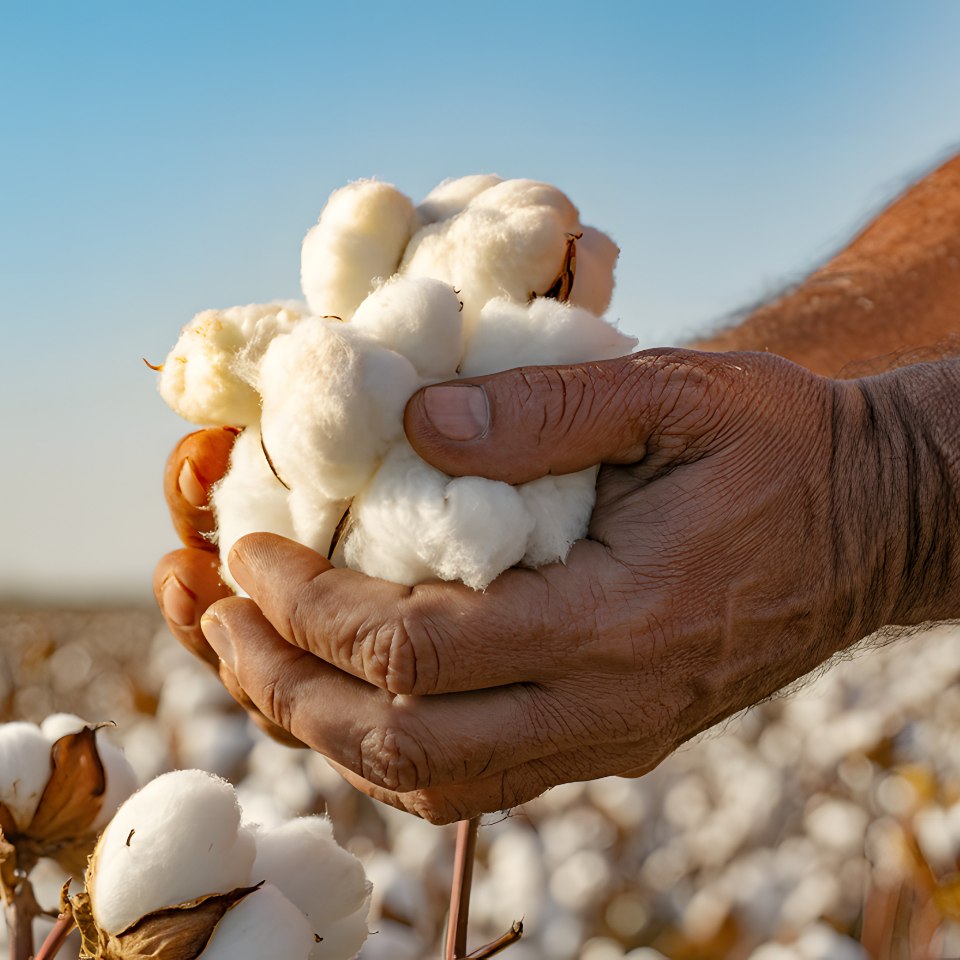
Cotton is a natural, versatile fibre which is biodegradable. Conventional cotton agriculture can be incredibly damaging for the environment due to high levels of irrigation and pesticide use. This is why we have chosen to use organic cotton from day one.
100% of the cotton we use is organic and we collect chain of custody certificates to verify the authenticity and origin of our organic cotton.
In 2024 we used 37 tonnes of Cotton accounting for 18% of our total fibre usage. We did not use any conventional cotton.
When we expanded our range to include our cosy fleeces and outdoor layering pieces, we knew going the traditional route wasn’t for us. Not only do we make sure that 100% of the polyester fabric we use is recycled, we also only use it in products that have been designed to be recycled again at the end of their wearable life. Using recycled synthetics is a fantastic step in the right direction and we’re pleased to see so many brands using them now but using recycled materials in products that are difficult or impossible to recycle, is like drawing from a well that’s running dry. Eventually, there won’t be anything to draw from. Enter…73 Zero.
In 2024 we used 7 tonnes of Recycled Polyester accounting for 3.6% of our total fibre usage. We did not use any virgin polyester however we did need to use elastane and polyamide in certain fabric blends which together accounted for 4.6% of our total fibre usage.
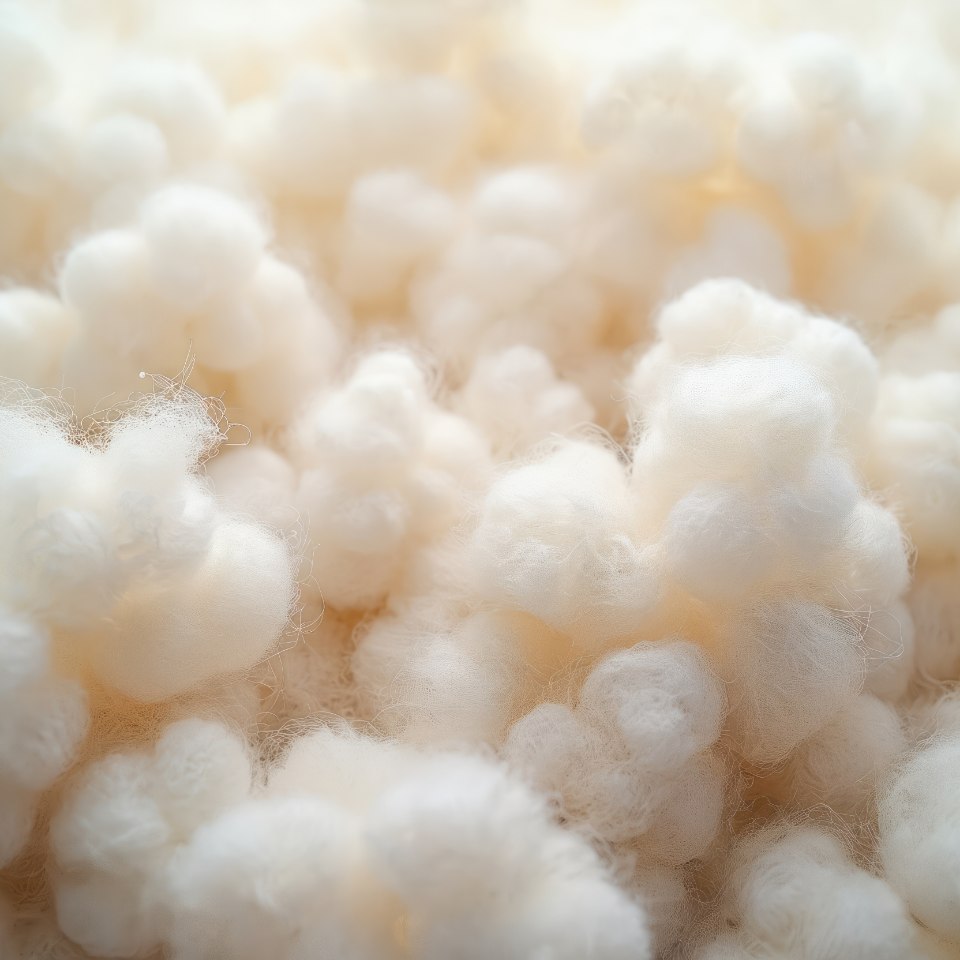
Wool has excellent performance properties, is a natural and renewable fibre, and is recyclable and biodegradable at the end of use. Suitable alternatives to wool for clothing tend to be fossil fuel based, not biodegradable, and contribute to micro-fibre pollution. They are also mostly multi-fibre blends which limit recyclability.
We source RWS wool which helps us to ensure our wool comes from sources with responsible land stewardship practices as well as high animal welfare standards, including a ban on mulesing and other harmful practices.
While the material is natural and renewable, the wool industry still has a significant environmental footprint. This is why we aim to increase our use of recycled wool and create recyclable knitwear as part of our 73 Zero collection.
In 2024 we used 1.2 tonnes of Wool accounting for 0.6% of our total fibre usage.
Multi-Buy Savings
Stock up on essential bamboo layers & socks:


